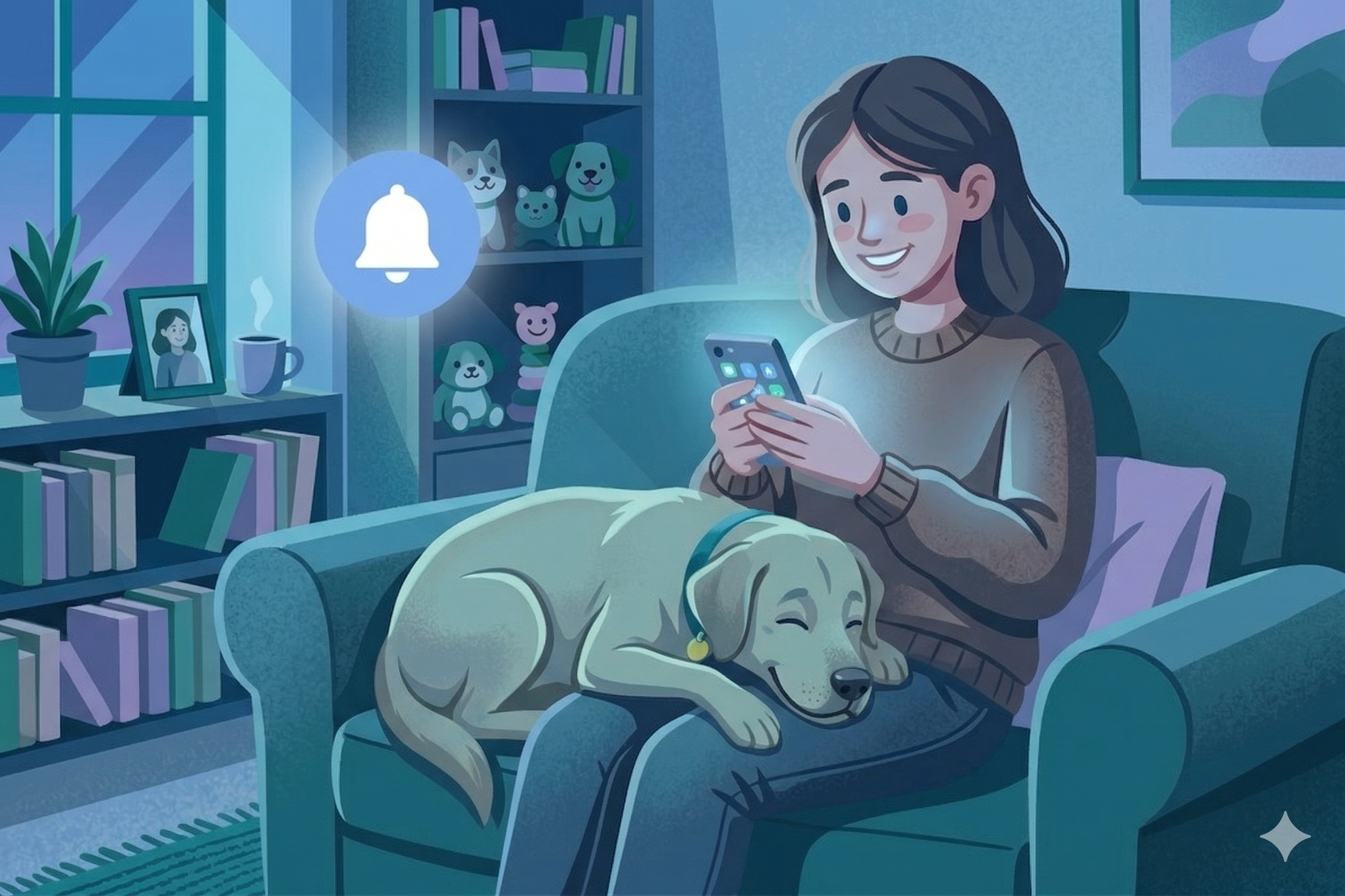
You've built a successful veterinary practice. Your waiting room buzzes with activity, clients trust your expertise, and pets leave healthier than when they arrived. But despite your clinical excellence, you notice something troubling: many pet parents never return for follow-ups, miss crucial vaccination schedules, and gradually drift away to other clinics.
This silent exodus isn't just about losing revenue—it's about pets not receiving the continuous care they need for optimal health. Understanding why vet clinics lose patients between visits is crucial for building a sustainable, caring practice that serves both pets and their families effectively.
The Hidden Problem: When Good Care Isn't Enough
Indian veterinary clinics face unique challenges in patient retention. Unlike human healthcare where appointments are often scheduled well in advance, pet healthcare tends to be more reactive. Pet parents typically visit when their pet is sick, get treatment, and then... disappear until the next emergency.
This pattern creates several problems:
- Pets miss preventive care that could catch health issues early
- Vaccination schedules get disrupted, leaving pets vulnerable
- Chronic conditions go unmanaged between acute episodes
- Your practice loses predictable revenue from regular check-ups
- Emergency cases increase as preventive care decreases
The Top 5 Reasons Veterinary Clinics Lose Patients Between Visits
1. Lack of Systematic Follow-Up Communication
Most veterinary clinics rely on pet parents to remember follow-up appointments, vaccination due dates, and medication schedules. This passive approach fails because:
- Pet parents lead busy lives and genuinely forget
- They may not fully understand the importance of follow-up care
- Without reminders, routine care feels optional rather than essential
- Communication gaps make your clinic feel less caring and engaged
2. Missed Vaccination and Preventive Care Reminders
Vaccination schedules are complex, especially for puppies and kittens requiring multiple shots. When clinics don't actively remind pet parents about upcoming vaccinations:
- Pets become vulnerable to preventable diseases
- Parents lose track of which vaccines are due when
- They may visit other clinics that seem more organized
- Your practice loses the opportunity to maintain the doctor-patient relationship
3. No Post-Consultation Check-ins
After treating a pet, many clinics send the family home without planning for follow-up communication. This creates several issues:
- Pet parents don't know if recovery is progressing normally
- Questions or concerns arise at home with no easy way to get answers
- Complications may develop without early detection
- The relationship feels transactional rather than caring
4. Overwhelming or Confusing Communication
Some clinics attempt follow-up but do it poorly:
- Sending too many messages that feel like spam
- Using technical language that confuses rather than helps
- Providing information at inconvenient times
- Not personalizing communication to individual pets' needs
5. Lack of Convenient Communication Channels
Traditional phone calls and emails often go unanswered. Pet parents prefer communication methods that fit their lifestyle:
- WhatsApp is ubiquitous in India but underutilized by many clinics
- Appointment booking systems may be cumbersome
- No easy way to ask quick questions or share photos
- Limited options for scheduling flexibility
The Cost of Poor Patient Retention
The impact of losing patients between visits extends beyond immediate revenue loss. Consider these hidden costs:
| Impact Area | Short-term Cost | Long-term Cost |
|---|---|---|
| Revenue Loss | Missed follow-up appointments | Reduced lifetime client value |
| Emergency Cases | Higher stress, unpredictable scheduling | Reputation risk from preventable complications |
| Practice Growth | Fewer referrals from satisfied clients | Difficulty scaling without stable client base |
| Clinical Outcomes | Incomplete treatment cycles | Poorer overall pet health in community |
| Staff Efficiency | More time on acute cases vs. preventive care | Higher staff turnover, lower job satisfaction |
Proven Strategies to Improve Patient Retention
1. Implement Automated Reminder Systems
Modern veterinary practices need systematic reminder systems that work automatically:
- Vaccination reminders: Send timely notifications before vaccines are due
- Follow-up reminders: Schedule check-ins based on treatment protocols
- Preventive care alerts: Annual check-ups, dental cleanings, parasite prevention
- Medication reminders: Help ensure compliance with treatment plans
2. Use WhatsApp for Better Engagement
WhatsApp has become the preferred communication channel in India. Veterinary clinics using WhatsApp see significantly higher engagement rates because:
- Messages are read and responded to more frequently
- Pet parents can easily share photos and videos
- Communication feels more personal and accessible
- Appointment confirmations and reminders are more effective
3. Create Structured Follow-Up Protocols
Develop systematic approaches for different types of cases:
- Post-surgery follow-up: Check healing progress, answer questions
- Chronic condition management: Regular monitoring of diabetes, kidney disease, etc.
- Preventive care scheduling: Annual exams, vaccinations, dental care
- Puppy and kitten programs: Complete vaccination series with education
4. Provide Value-Added Communication
Don't just remind—educate and support:
- Share seasonal pet health tips
- Provide breed-specific care information
- Send birthday wishes and anniversary notes
- Offer nutrition and exercise guidance
- Create informative content about common conditions
5. Make Scheduling Convenient
Remove barriers to booking follow-up appointments:
- Online appointment scheduling
- Flexible timing options
- Easy rescheduling through preferred channels
- Waitlist notifications for preferred time slots
Technology Solutions for Better Patient Retention
Manual reminder systems quickly become overwhelming as your practice grows. Modern veterinary practice management software can automate many retention activities while maintaining a personal touch.
Look for features like:
- Automated WhatsApp reminders for vaccinations and follow-ups
- Customizable reminder schedules based on pet age, breed, and condition
- Easy appointment booking and rescheduling
- Digital medical records that track all patient interactions
- Analytics to identify at-risk patients who haven't visited recently
For example, Koko's veterinary practice management software helps Indian veterinary clinics maintain consistent patient communication through automated WhatsApp reminders, reducing no-shows and improving vaccination compliance rates.
Measuring Success: Key Metrics to Track
Monitor these veterinary patient retention metrics to evaluate your improvement efforts:
- Follow-up appointment compliance rate: Percentage of recommended follow-ups that actually occur
- Vaccination series completion rate: How many pets complete their full vaccination schedule
- Client lifetime value: Average revenue per client over their entire relationship
- Repeat visit frequency: How often regular clients return for routine care
- Emergency vs. preventive visit ratio: Shift toward more preventive care indicates better retention
Building a Patient-Centered Culture
Technology and systems are important, but lasting patient retention comes from genuine care and attention to the pet parent experience:
- Train your team to view communication as part of medical care
- Encourage staff to check in with pet parents between visits
- Celebrate successful outcomes and long-term client relationships
- Regularly ask for feedback and act on suggestions
- Make every interaction feel personal and caring
Taking Action: Your Next Steps
Improving patient retention doesn't happen overnight, but you can start immediately:
- Audit your current follow-up processes: Identify gaps in communication and scheduling
- Choose your communication channels: Implement WhatsApp or other preferred methods
- Create reminder schedules: Map out when and how you'll contact clients
- Train your team: Ensure everyone understands the importance of retention
- Track your progress: Monitor metrics and adjust your approach based on results
Remember, every pet parent who returns for follow-up care represents not just revenue, but a pet receiving the comprehensive healthcare they deserve. By addressing the communication gaps that cause patient loss, you're building a stronger practice and contributing to better pet health outcomes in your community.
The investment in better patient retention systems pays dividends in practice stability, client satisfaction, and most importantly, healthier pets living longer, happier lives with their families.
Ready to Modernize Your Clinic?
Discover how Koko can streamline your operations and enhance pet care.
Schedule a Free Demo